
Hart explosion
When I was listening to the radio, I heard someone who had translated the Manyoshuu into modern language, and I thought it was interesting and touched my heart.
I thought there might be something I could do, but I thought it wouldn’t be fun to do the same thing, so I interpreted it in my own way.
I decided to work on a super translation of Kokin Wakashuu.
Once I started working on it, it became more and more interesting, and I felt like it was a bit like a parody of the work of my predecessors, but if I continued to do it and didn’t leave it, I might be able to see something.
You may be able to experience the surprising change of language from Chinese to Japanese during the Heian period.
I fell into that illusion. I wonder if the fun will last or become a pain! Along with this work, I started writing my own poems.
There are some things that are difficult for foreigners, but I created it for foreigners who are interested. It is difficult to write the contents of Japanese waka in simple English. I’m sure there will be some criticism about the content, but everything is a challenge.
KATSUPA: Shihei Kamiya
⚫︎Enjoy with sound Japanese old poetry ”Waka” for beginners
Go to Amazon sales site

Paper book:
A5 size book (Japan only)
194 pages
For e-books: Kindle version
Published March 1, 2024
Japanese “waka” is written with a total of 31 characters: 5-7-5-7-7. It is sung with 31 characters.
Content: Basic idea of production
- ”Kokin Wakashu Volume 11 ” : Love songs1
- National Diet Library Digital Collection : Rights expiration materials
- Adopted Waka: ”Kokin Wakashuu ” : Completed in 914
- The original text is the ”Joobon ” This is also not Teika’s handwritten book.
- ”Kokin Wakashuu ” : the first Japanese poetry written in Japanese other than Chinese
- Compiled by:
Kinotomonori
Kinotsurayuki
Oshikouchi Mitsune
Mibu Tadamine
Jōō (old font: Teio) is one of the Japanese era names. The period from 1222 to 1224.
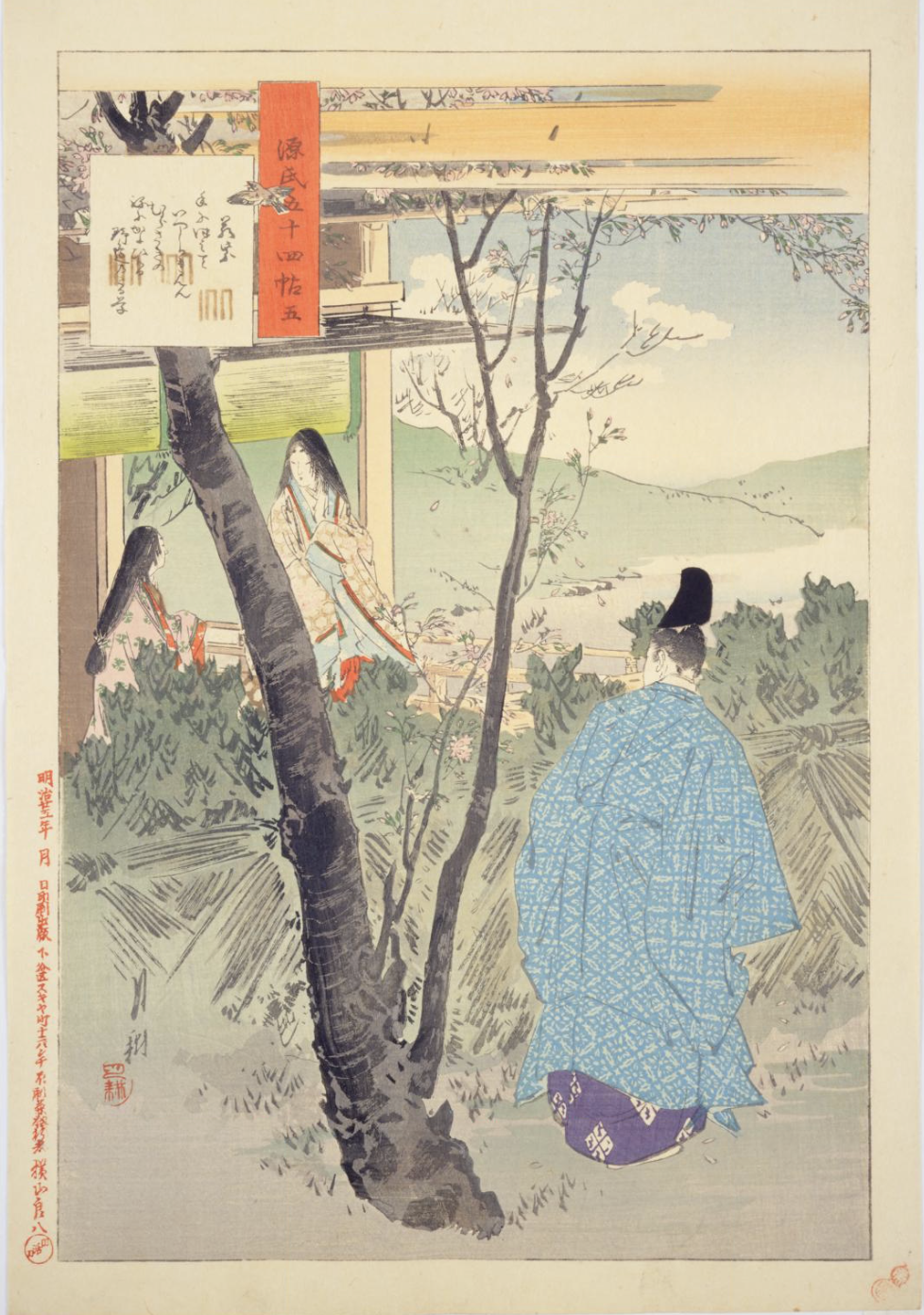
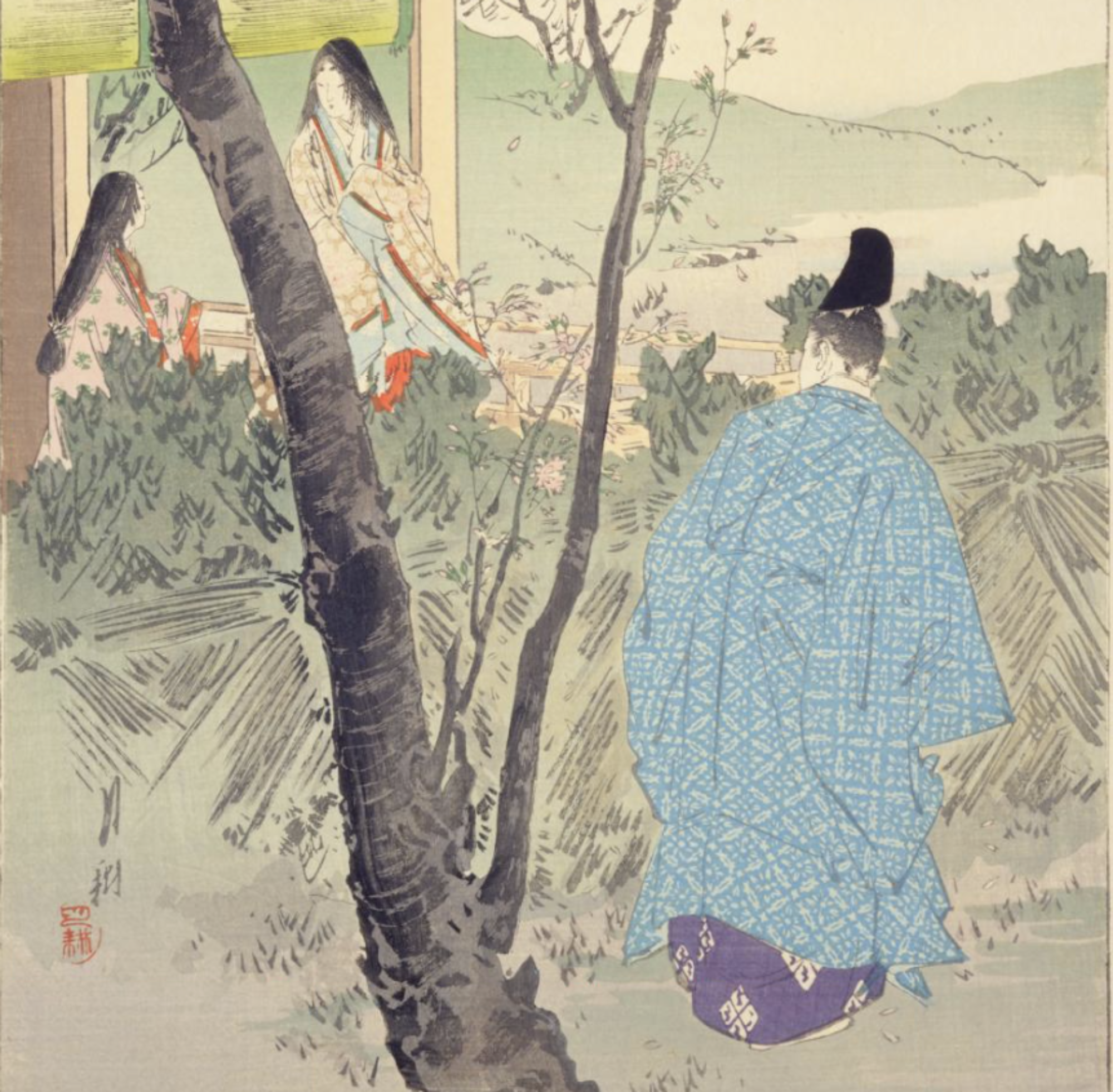
月耕『源氏五十四帖 五 若紫』,横山良八,明治25. 国立国会図書館デジタルコレクション https://dl.ndl.go.jp/pid/1305556 (参照 2024-02-23)