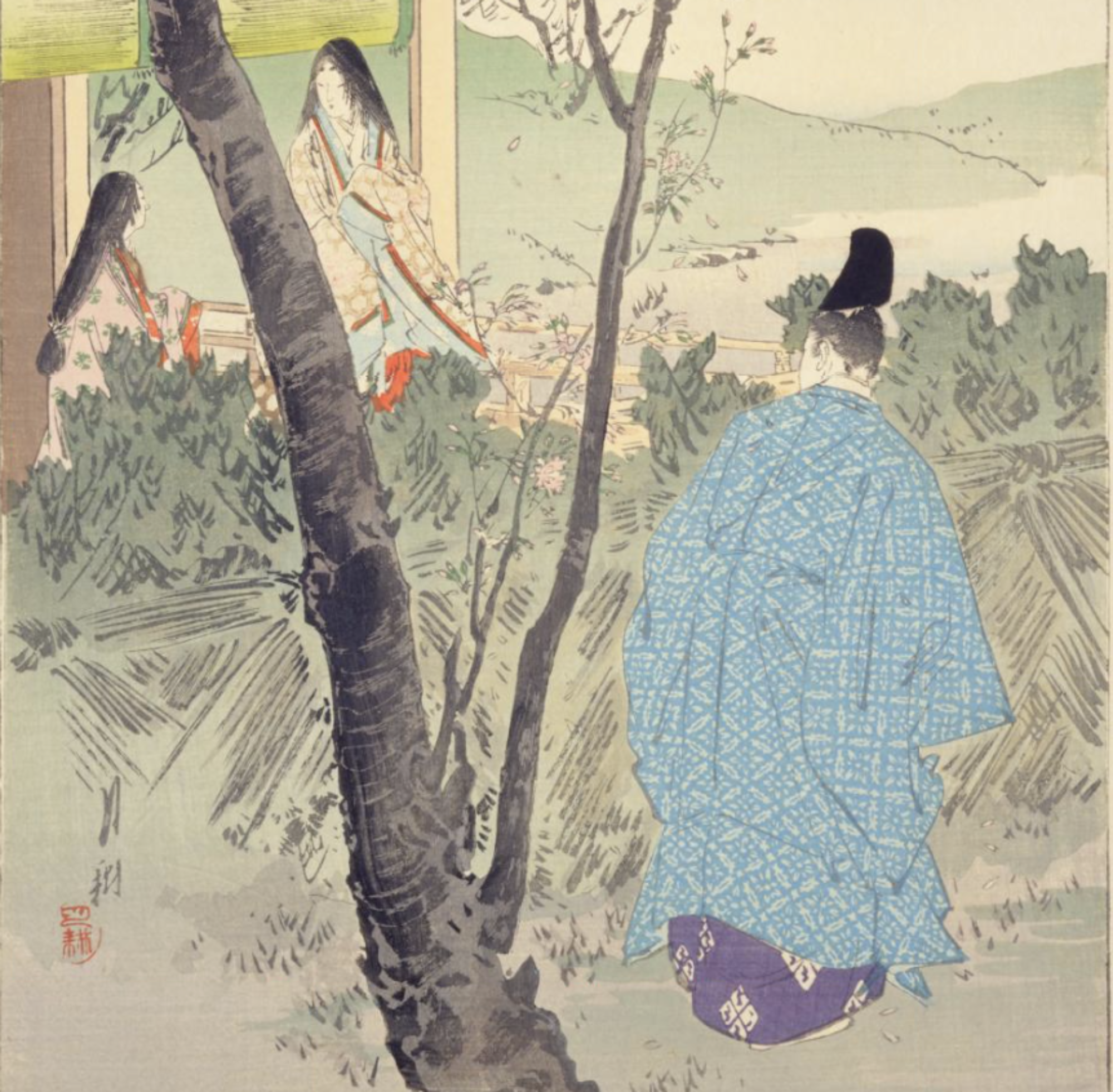

Foreigners seem to be interested in old Japanese culture. I think that old Japanese culture can be felt in Japanese waka (old Japanese poetry), haiku (Japanese standard form of poetry from the Edo period), Japanese tea ceremony philosophy, Japanese garden culture, Buddhist statues that could be called old Japanese sculptures, and, above all, old Japanese architecture. They all have their own charm. What do foreigners find attractive about old Japan?
The period when waka poems were composed actively was the period when Japanese culture was adopting Chinese characters and institutions. It was also a time when Japan was changing from Chinese culture to its own unique culture. Therefore, the period of waka poetry is different from that of the later Wabi and Sabi culture. Nevertheless, I believe that the origin of the Japanese sensibility, which later became clear, can be found in these waka poems.
In particular, we can catch a glimpse of the later wabi-sabi spirit in works such as Saigyo’s poems and Sei Shonagon’s “MAKURANOSOSHI” Book. In the passing of time, the spirit of Japan, which was nurtured and developed, was concentrated in the world of wabi and sabi. That is how I feel.
I feel that sukiya-style architecture gives us such a sense. Typical examples are the new palace of Katsura Rikyu, Shugakuin Rikyu, and the Ochaya of Fushimi Inari Taisha Shrine. The Sukiya-zukuri style was adopted for the Katsura-rikyu, Sankeien Rinshunkaku, Manjuin Shoin (1656), Nishi-honganji Kuroshoin (1657), and other samurai and kuge villa buildings and temple shoins.
When we think of architecture, the Kinkakuji Temple in Kyoto immediately comes to mind. Kinkakuji is attractive. But perhaps it is the garden at Ryoan-ji that is favored by many foreigners.
Here we must go a little deeper into the uniquely Japanese sense of beauty.
The garden at Ryoan-ji is attractive because of the stones, sand, and earthen walls surrounding the garden and their natural decay. Some moss on the wall may have contributed to this.
In any case, the space of this garden speaks of a human philosophy that cannot be expressed in words with all that is in it. A human being looking at the garden does not think about anything for a long time. It is a time when the word “meditate” fits perfectly.